

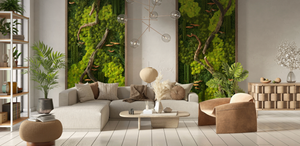
You can meditate daily and still feel on edge at home.
Not because you are failing.
Because the room is.
Your nervous system responds to space before thought.
Before intention.
Before effort.
Most living rooms quietly keep people in low-grade stress.
They look fine.
They feel wrong.
Why modern living rooms keep you wired
Living spaces are designed for display, not regulation.
Hard surfaces.
Bright overhead lights.
Screens everywhere.
Visual clutter.
Noise that never fully stops.
This trains the body to stay alert.
You sit down, but your system never lands.
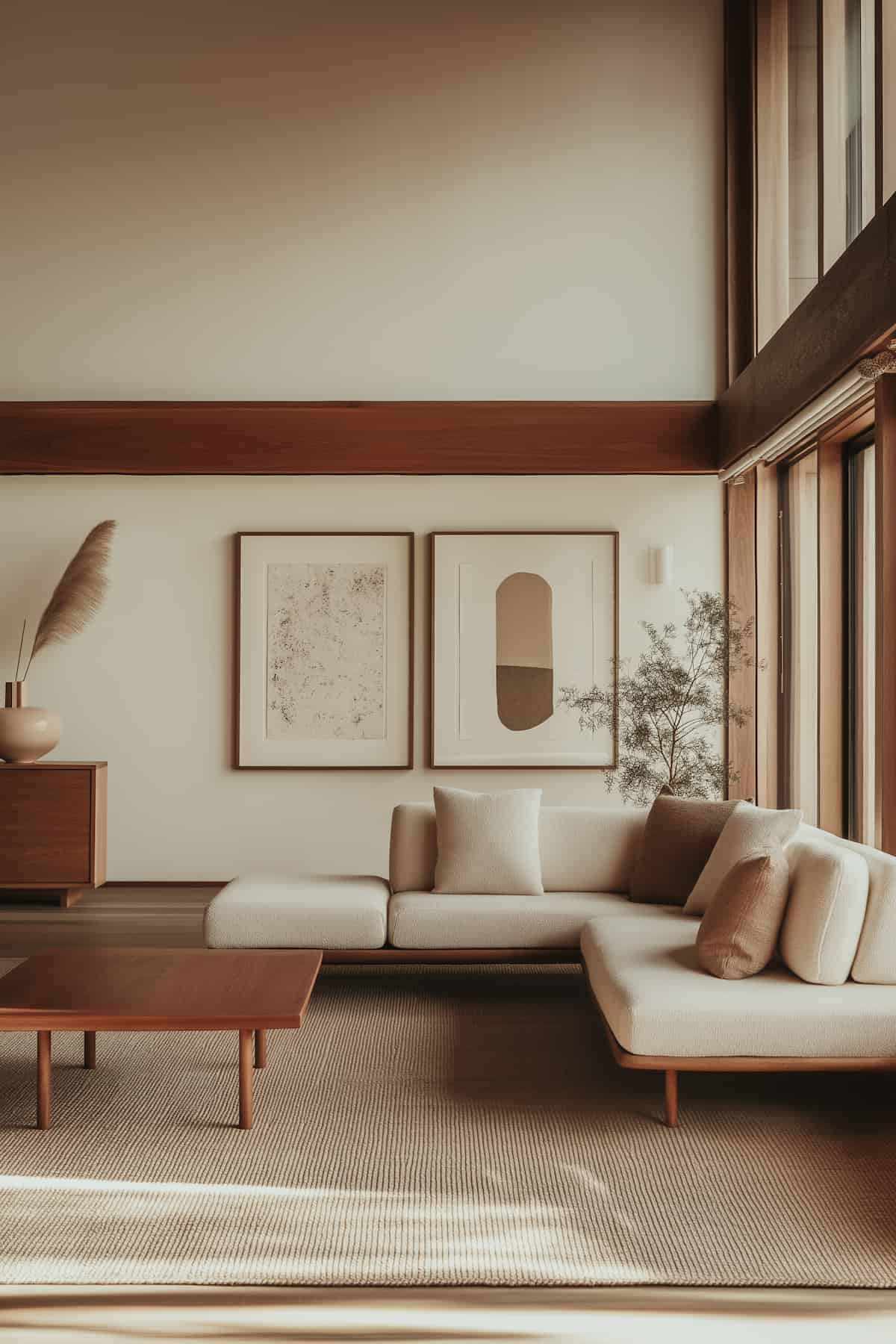
What a stress-regulating living space actually does
A healthy living room signals safety.
It slows breathing.
Softens the jaw.
Drops the shoulders.
It does this without instruction.
Light is gentle.
Sound is absorbed.
Materials feel natural.
The layout makes sense.
This is not aesthetics.
It is nervous system hygiene.
Light in living spaces and stress levels
What fails: bright overhead lighting at night.
What works: layered, warm, indirect light.
Light intensity tells your brain whether it is time to perform or unwind.
Evening light should lower energy, not spike it.
Sound absorption in everyday spaces
What fails: echo, TV background noise, mechanical hum.
What works: rugs, curtains, books, plants, soft furniture.
Noise you stop noticing still stresses the body.
Silence should feel safe, not empty.
Natural materials and emotional grounding
What fails: glossy finishes, plastic-heavy furniture.
What works: wood, stone, linen, cotton, wool.
Natural materials dampen sensory load.
They ground attention without demanding it.
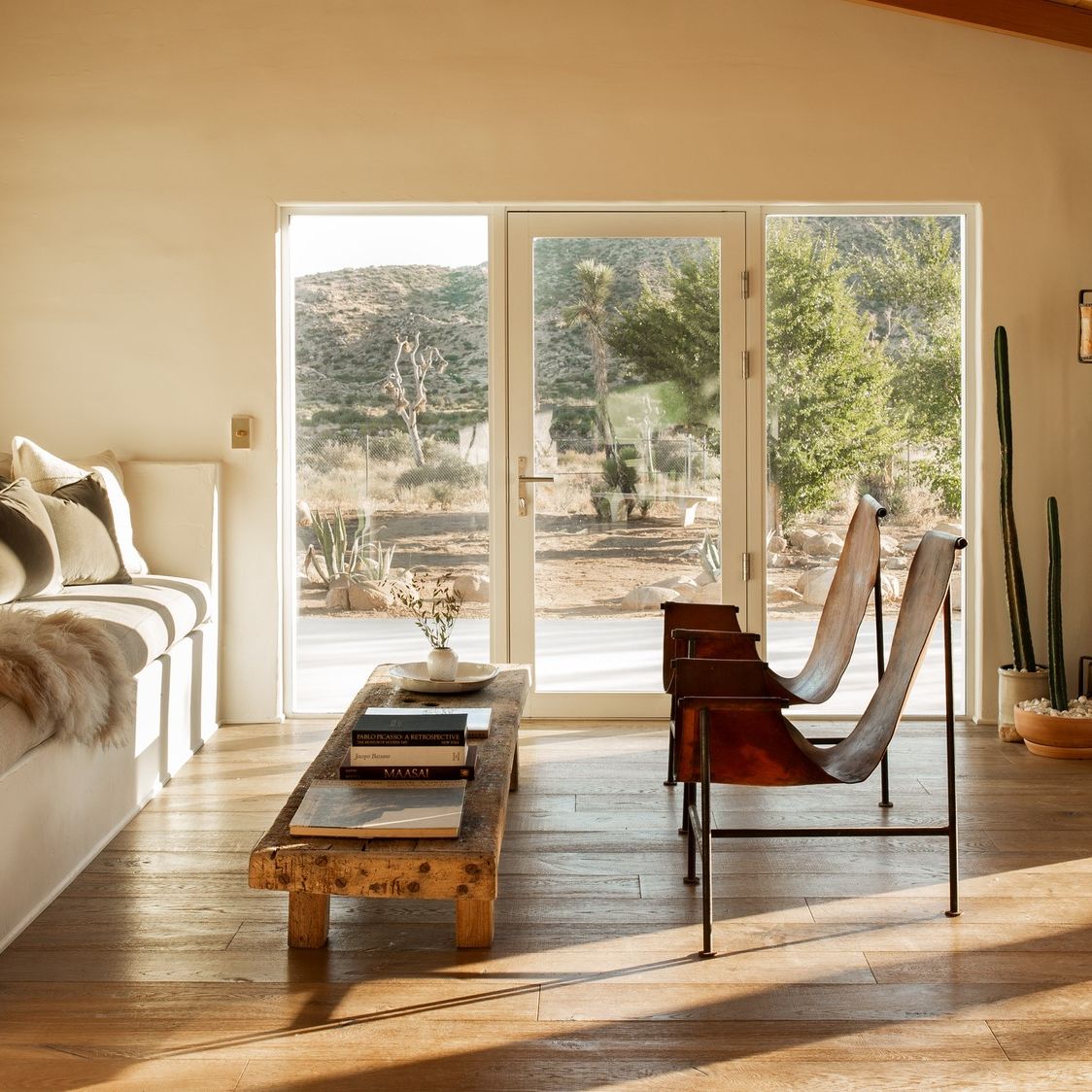
Layout that reduces cognitive fatigue
What fails: cluttered pathways, no clear zones.
What works: defined areas for sitting, reading, gathering.
Your brain relaxes when it understands space instantly.
Confusion costs energy.
Screens and stimulation in shared spaces
What fails: constant background TV.
What works: intentional use, clear off times.
A living room should support connection, not constant input.
Presence improves when stimulation drops.
Airflow and comfort in daily life
What fails: sealed rooms and stale air.
What works: open windows, cross ventilation, fans before air conditioning.
Fresh air lowers physiological stress.
Comfort is quieter than you think.
The Home OS rule for living spaces
If people talk more softly here, the room is working.
If breathing slows without effort, the design is right.
Living rooms should regulate stress before it shows up as burnout.
A 5-minute living room reset
Turn off overhead lights.
Open a window.
Turn off background noise.
Sit still and notice your breath.
If it deepens, the space supports you.
If not, change the environment, not your mindset.
Why calm homes create calmer communities
Regulated people communicate better.
Calmer homes raise calmer children.
Calmer children shape healthier futures.
Fill your own cup first.
Serve from overflow.
SelfCare is not selfish.
It creates a ripple effect that moves far beyond your walls.
Together, we rise as one.