

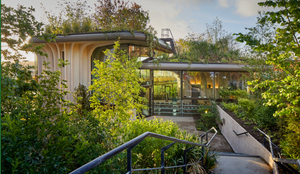
Most retreats rely on programming.
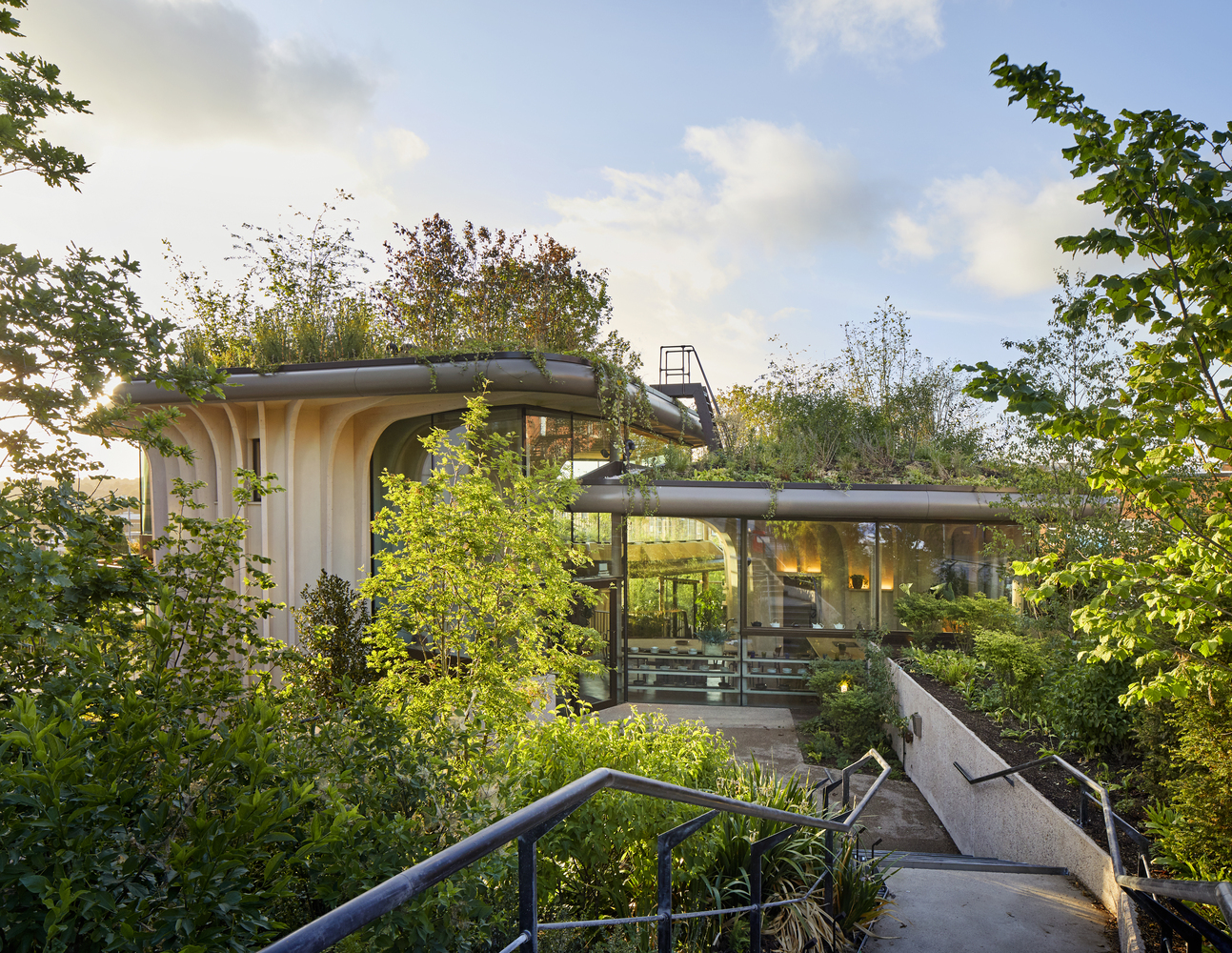
The best retreats rely on design.
When the environment regulates sleep, stress, and attention, people soften before the first session begins. This framework shows how to build sanctuaries that do the work quietly—without hype, and without burnout for facilitators.
Start with evidence, not aesthetics
Systematic reviews across circadian biology, environmental psychology, and biophilic design converge on one truth:
Humans regulate when environments reduce sensory threat and restore rhythm.
Light timing, quiet, airflow, natural materials, and clear spatial transitions consistently improve sleep, mood, and stress markers. The space is not a backdrop. It is the intervention.

Design for regulation, not stimulation
Retreats often fail by adding too much:
- Too many sessions
- Too much décor
- Too much sound
- Too much lighting
Regulation comes from subtraction.
Design goal: lower baseline arousal so participants don’t have to “try” to relax.
Site selection that protects nervous systems
Choose calm before views.
Do this:
- Buffer from roads and nightlife
- Use landforms, trees, or distance for quiet
- Align buildings to breeze and sun, not Instagram angles
Result: people slow down on arrival. Facilitation gets easier.
Village layout beats hotel blocks
Group calm scales better in villages than corridors.
Design logic:
- Arrival pavilion (phones down, breath slows)
- Central gathering pavilion (shared rhythm)
- Small sleep clusters (3–5 rooms)
- Separate practice pavilion (movement, stillness)
- Dining pavilion (open, social, airy)
Why it works: clear zones prevent sensory spillover. Sleep stays protected.
Sleeping quarters designed for recovery
Sleep is the retreat’s strongest medicine.
Design rules:
- Quiet location, away from social spaces
- Morning light, full darkness at night
- Fans before AC
- No TVs, no bright lighting, no clutter
Result: deep sleep by night two. Emotional regulation follows.
Gathering spaces that hold groups gently
Big rooms don’t need big stimulation.
Design rules:
- High ceilings (3.2–3.5 m)
- Symmetry or gentle curves
- Soft acoustics (no echo)
- Daylight by day, warm indirect light by night
Result: conversations slow. People listen better.

Practice spaces for movement and stillness
The body needs room before words.
Design rules:
- Morning light available
- Natural floors (wood, cork, matte concrete)
- Quiet location
- Minimal visual input
Result: less instruction needed. The room cues presence.
Dining that regulates, not excites
Food is social medicine when the space allows it.
Design rules:
- Open sides for airflow
- Shaded seating
- Natural materials
- One long table plus smaller options
Result: eating slows. Digestion improves. Connection deepens.
Water and bathing as daily reset
Water lowers arousal fast.
Design rules:
- Semi-outdoor bathing where possible
- Stone and water contact
- Quiet drainage
- Privacy through planting
Result: daily nervous system reset without facilitation.
Night protocol that protects sleep
Most retreats fail after sunset.
Design rules:
- Warm light only
- No overhead glare
- Lanterns and wall lights
- Enforced quiet hours
- Full darkness in rooms
Result: sleep deepens. Integration accelerates.
Tech restraint that restores presence
This is not anti-technology. It is pro-recovery.
Design rules:
- Wi-Fi only in one designated zone
- No screens in bedrooms
- Clear digital detox cues
Result: attention returns to the body and group.
Staff flow that stays invisible
Operational calm matters.
Design rules:
- Separate staff paths
- Quiet service protocols
- No radios or loud equipment
Result: guests feel held, not managed.
The performance test
At full occupancy.
Mid-afternoon.
If:
- The space still feels cool
- Silence feels safe
- Facilitators feel calm instead of “on”
The sanctuary is working.
The deeper truth
A retreat should not motivate transformation.
It should remove friction so transformation happens naturally.
Fill your own cup first.
Serve from overflow.
SelfCare is not selfish—it creates a ripple effect of rested people, clearer leaders, and healthier communities.
When spaces heal quietly, people carry that calm home. Together, we rise.
References & Evidence Base
This framework aligns with the research backbone of SelfCare: Lifestyle Medicine for the People and its full reference list, spanning circadian biology, stress physiology, environmental psychology, and biophilic design.
Full references:
👉 https://www.selfcare.global/full-reference-list-from-the-selfcare-book-by-rory-callaghan/