

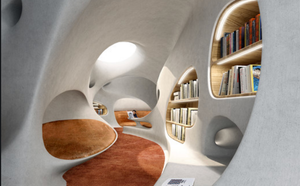
This is the single operating system that aligns
Feng Shui, grounded Tartaria insights, Japanese minimalism, and eco-luxe regenerative design
into something practical, buildable, and human-first.
No belief required.
No mythology required.
The body is the validator.
Core Operating Principle
The home is not decoration.
The home is regulation.
If the environment reduces sensory threat and restores rhythm, health improves without effort.
Different cultures described this differently.
The mechanism is the same.
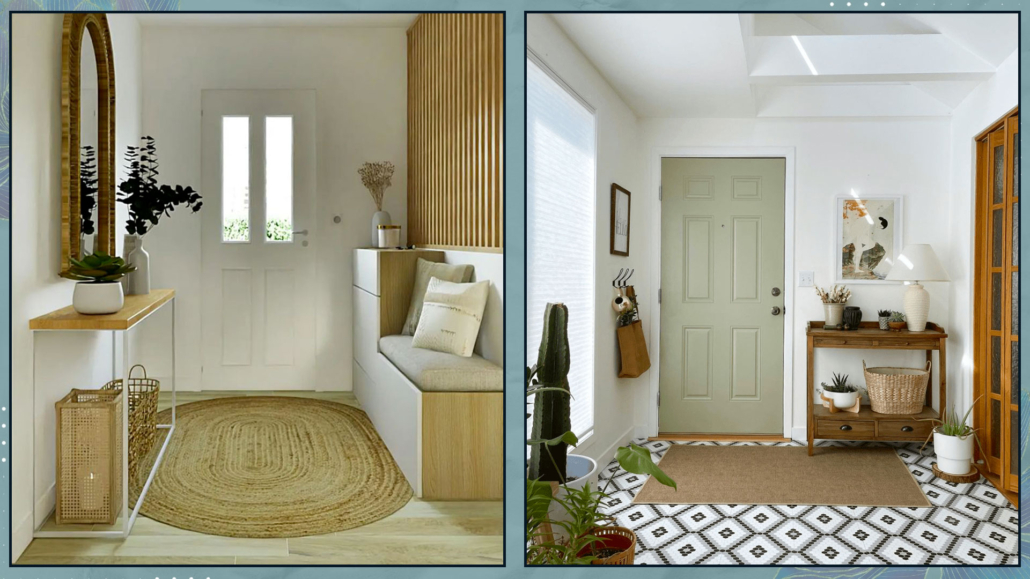
1. Light OS — Time, Rhythm, and Hormones
Light sets the nervous system clock.
Integrated logic:
- Feng Shui: orientation and balance
- Japanese design: soft, indirect light
- Old architecture: daylight dominance
- Modern science: circadian biology
Do this:
- Morning light enters bedrooms
- Midday light fills living spaces
- Warm, low light after sunset
- Full darkness at night
Avoid:
- Harsh downlights
- Blue light after sunset
- Glare and extreme contrast
Result:
Better sleep. Stable energy. Improved mood.
2. Sound OS — Safety Before Silence
The nervous system listens even when you don’t.
Integrated logic:
- Feng Shui: calm flow, no sharp disruption
- Tartaria insight: mass and resonance
- Japanese interiors: quiet by default
- Modern science: stress physiology
Do this:
- Rugs, curtains, wood, fabric
- Curves or textured surfaces
- Quiet zones for rest and sleep
- No constant mechanical hum
Avoid:
- Echoing rooms
- Exposed hard surfaces everywhere
- Always-on background noise
Result:
Lower baseline stress. Slower speech. Deeper rest.
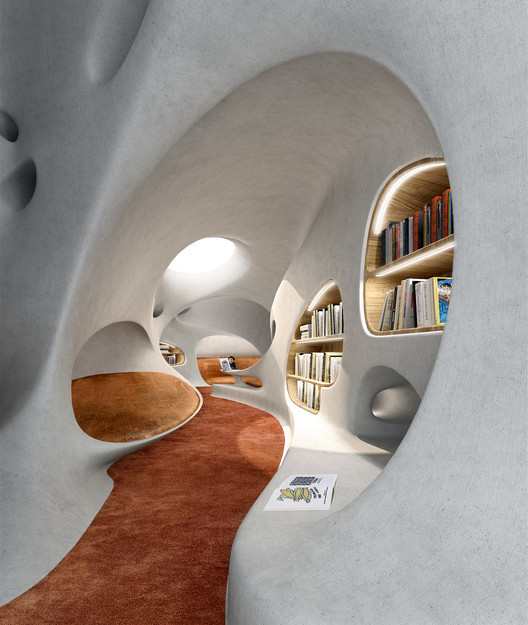
3. Flow OS — Movement Without Rush
Humans need transitions, not efficiency.
Integrated logic:
- Feng Shui: clear paths and entry sequence
- Japanese ma: space between actions
- Historic cities: walkable coherence
- Environmental psychology: reduced cognitive load
Do this:
- Clear zones for sleep, work, rest
- Entry space that slows arrival
- Furniture that supports movement
- Storage that hides visual noise
Avoid:
- Cluttered pathways
- Multi-use chaos rooms
- Straight-through sightlines that feel exposed
Result:
Days feel structured without pressure.
4. Material OS — Grounding Through Touch
Your body senses materials before thought.
Integrated logic:
- Feng Shui elements reframed as materials
- Japanese wabi-sabi imperfection
- Old stone and timber construction
- Modern research on sensory load
Do this:
- Wood, stone, clay, lime plaster
- Natural fibres where skin touches space
- Matte, breathable finishes
Avoid:
- Excess plastic
- High-gloss synthetic surfaces
- Sealed, dead-feeling walls
Result:
Grounded presence. Less sensory fatigue.

5. Form OS — Curves, Proportion, Safety
Shape communicates safety or threat.
Integrated logic:
- Feng Shui avoids sharp attack angles
- Tartaria myth points to real geometry
- Japanese restraint avoids excess form
- Neuroscience confirms shape affects stress
Do this:
- Gentle curves or rounded corners
- Rooms close to square proportions
- Balanced symmetry in gathering spaces
Avoid:
- Long narrow corridors
- Aggressive angles everywhere
- Overdesigned feature geometry
Result:
Jaw softens. Shoulders drop. Breath deepens.
6. Tech Hygiene OS — Signal Load Management
This is not anti-technology.
It is pro-recovery.
Integrated logic:
- Feng Shui minimises disturbance
- Japanese homes reduce visual noise
- Regenerative design reduces dependency
- Sleep science demands darkness and quiet
Do this:
- No screens in bedrooms
- Wi-Fi away from sleep zones
- Fewer blinking lights at night
Avoid:
- Smart clutter everywhere
- Nighttime notifications
- Over-automation
Result:
Deeper rest. Quieter mind.
The Universal Test
All traditions agree on this.
Stand still in the space.
Stop thinking.
Breathe slowly.
If the body softens within one minute, the Home OS is active.
If not, adjust the environment, not the person.
Why This Matters
Modern homes overstimulate and call it progress.
People blame themselves for feeling exhausted.
Older systems designed for coherence.
We now have the science to explain why they worked.
This is not about going backward.
It’s about building forward with memory.
Fill your own cup first.
Serve from overflow.
SelfCare is not selfish. It is how healthy homes create healthy futures.
References & Evidence Base
This integrated approach is grounded in the research synthesised in:
SelfCare: Lifestyle Medicine for the People
by Rory Callaghan
Full reference list (circadian biology, environmental psychology, biophilic design, stress physiology):
👉 https://www.selfcare.global/full-reference-list-from-the-selfcare-book-by-rory-callaghan/